Thursday, 8 August 2019
Thursday, 1 August 2019
Food Safety training
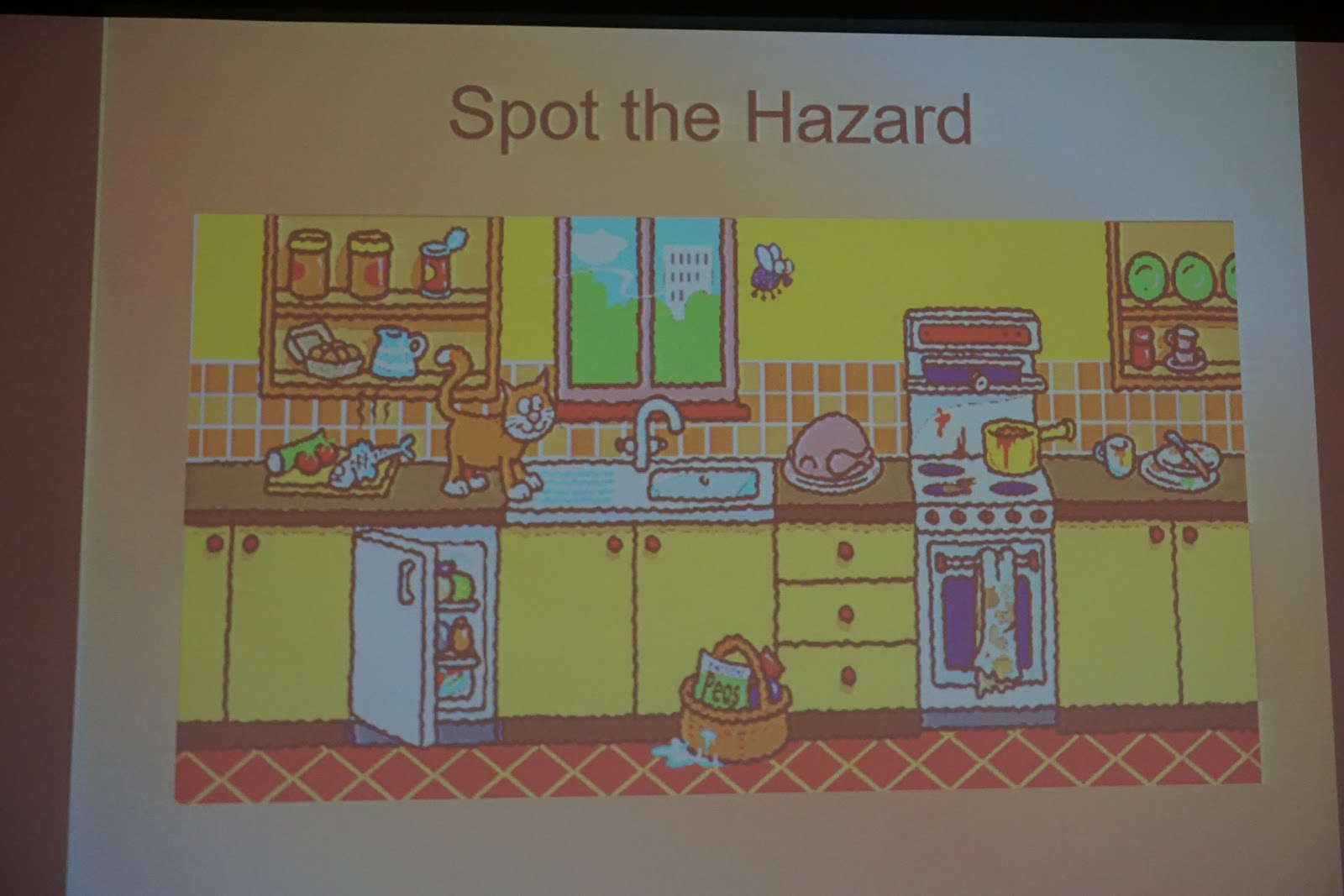
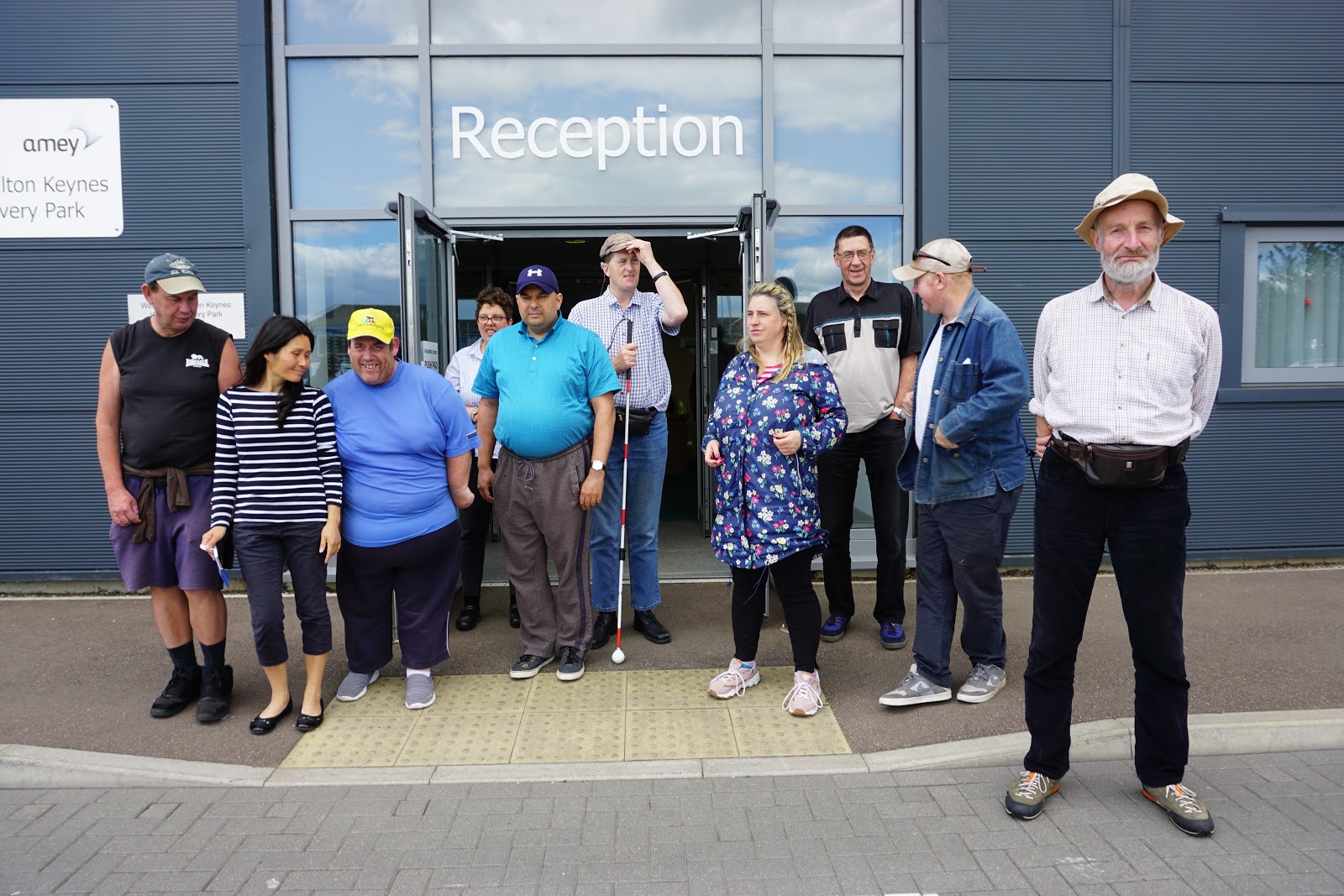
These are photographs of residents of Camphill Milton Keynes doing food safety training at the Chrysalis Theatre.
Food Safety refers to handling, preparing and storing food in a way to best reduce the risk of individuals becoming sick from food borne illnesses.
Food safety is a global concern that covers a variety of different areas of everyday life.
The principles of food safety aim to prevent food from becoming contaminated and causing food poisoning. This is achieved through a variety of different avenues, some of which are:
- Properly cleaning and sanitising all surfaces, equipment and utensils
- Maintaining a high level of personal hygiene, especially hand-washing
- Storing, chilling and heating food correctly with regards to temperature, environment and equipment
- Implementing effective pest control
- Comprehending food allergies, food poisoning and food intolerance
Alex Fox
Friday, 26 July 2019
Milton Keynes Peace Pagoda - 39th Anniversary Celebrations
The Milton Keynes Peace Pagoda was completed in 1980 at the
northern edge of Willen Lake in Willen, Milton Keynes. This was the first Peace
Pagoda in the western world. There is a Nipponzan Myohoji Order temple and
monastery nearby.
On Sunday 23rd June there was a ceremony at the
Peace Pagoda to celebrate its 39th year of it being built.
The ceremony started with a procession of the Monks and Nuns
of Nipponzan Myohoji from the Temple to the Peace Pagoda. There was also a
welcome, prayers for peace, addresses and messages of peace, lunch and
multi-cultural events.
Alex Fox
Friday, 19 July 2019
Trip to Milton Keynes Waste Recovery Park
On Friday 21st June residents of Camphill Milton Keynes visited Milton Keynes Waste Recovery Park in Older Wolverton. We were given a presentation, then we had a tour around the site. We learned that most of the rubbish in our black bags are either recycled or converted into electricity. However, we still need to recycle properly as it helps protect our environment.
Alex Fox
Thursday, 11 July 2019
National Cupcake Day
On Thursday 13th June, there was the National Cupcake Day which happened in the foyer of the Chrysalis Theatre in Camphill Milton Keynes.
People who have a sweet tooth were sure to have loved this day. This special event takes place each year to raise money to fight against dementia and Alzheimer's disease. Residents and staff in the community who like to bake showed their support by baking cupcakes which were sold in the foyer of our theatre. We managed to raise £103.87.
The fight against dementia is an important one as this is the most significant cause of death among people who live in England and Wales. Unfortunately, no cure for dementia has been discovered as yet and research continues, while the large number of people who suffer from this disease means that the cost of care is very high.
Alex Fox
Friday, 5 July 2019
Thursday, 27 June 2019
Diabetic training
These are photographs of residents on Camphill Milton Keynes doing Diabetic training at the Chrysalis Theatre.
Diabetes is a lifelong condition that causes a person's blood sugar level to become too high.
There are 2 main types of diabetes:
Type 1 diabetes - where the body's immune system attacks and destroys the cells that produce insulin.
Type 2 diabetes - where the body doesn't produce enough insulin, or the body's cells don't react to insulin.
Type 2 diabetes is far more common than type 1. In the UK, around 90% of all adults with diabetes have type 2.
If you're diagnosed with diabetes, you'll need to eat healthily, take regular exercise and carry out regular blood tests to ensure your blood glucose levels stay balanced.
Alex Fox
Subscribe to:
Posts (Atom)